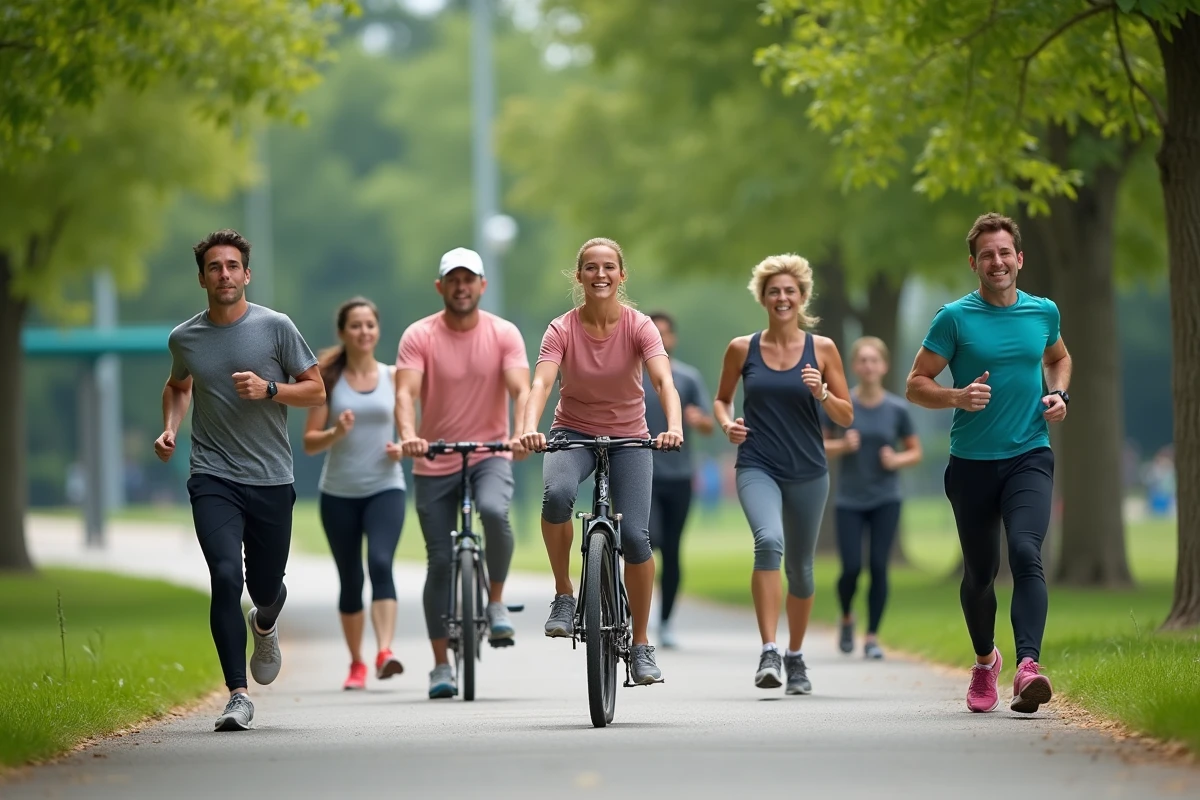
No age group escapes the recommendations of the World Health Organization regarding regular physical activity. Yet, a significant portion of the population still ignores that certain sports, long considered reserved for a specific group, offer benefits suitable for every stage of life.
The increasing accessibility of facilities and the emergence of new practices are disrupting habits. Health professionals now support the diversity of activities, emphasizing their role in development, prevention, and well-being, regardless of age or level.
Why practicing sports from a young age changes everything
Imagine a child who starts engaging in sports from their earliest years. From the first attempts, on a field or in a gym, the body awakens, posture becomes more assured, and motor skills sharpen. The benefits extend beyond the energy expended: sports practice structures, develops perseverance, and strengthens attention to oneself and others.
Enjoyment sets in, a subtle driver of progress, and the range of activities offered to children has never been broader. Football, yoga, judo, swimming, basketball, dance: every child can explore, choose, and follow their temperament and desires.
Health professionals confirm it: regular sports practice from childhood reduces the risk of overweight, improves physical condition, and encourages muscle development. Beyond the body, mental flourishing grows with each challenge met, each success or failure shared.
The learning of living together also takes root in sports. Team spirit is forged, rules become benchmarks, and exchanges are enriched. To deepen the possibilities offered to children, accessing the Y a du Sport website allows you to discover activities, professional advice, and ideas suitable for everyone, regardless of age or level.
Which sports to choose for each stage of childhood and adolescence?
The choice of physical activity naturally evolves with age. At each stage, certain disciplines align better with the needs and rhythms of the child or adolescent. From kindergarten, body awareness, gentle gymnastics, or swimming form a valuable foundation. These first exercises develop coordination, balance, confidence in the water or on a mat.
Once in primary school, the child tests their preferences, discovers team sports like football, handball, or basketball, and learns about group dynamics and the role of rules. Many also turn to martial arts, from judo to karate to taekwondo, to channel energy, strengthen self-control, and develop concentration.
In adolescence, the range of activities expands. Some choose individual sports, athletics, tennis, climbing, while others remain loyal to collective practice. Muscle strengthening can then be integrated, respecting the pace of growth. At this stage, the diversity of activities becomes crucial: dance, volleyball, sliding sports, club swimming… everyone can orient themselves according to their tastes and desires.
Here are some guidelines to support choices at each stage:
- Before 6 years: motor skills, dexterity games, swimming
- 6-12 years: team sports, martial arts, gymnastics
- Adolescence: specialization, individual sports, adapted weight training
Over the years, the selection of activities is built through listening and curiosity, never losing sight of pleasure and variety.
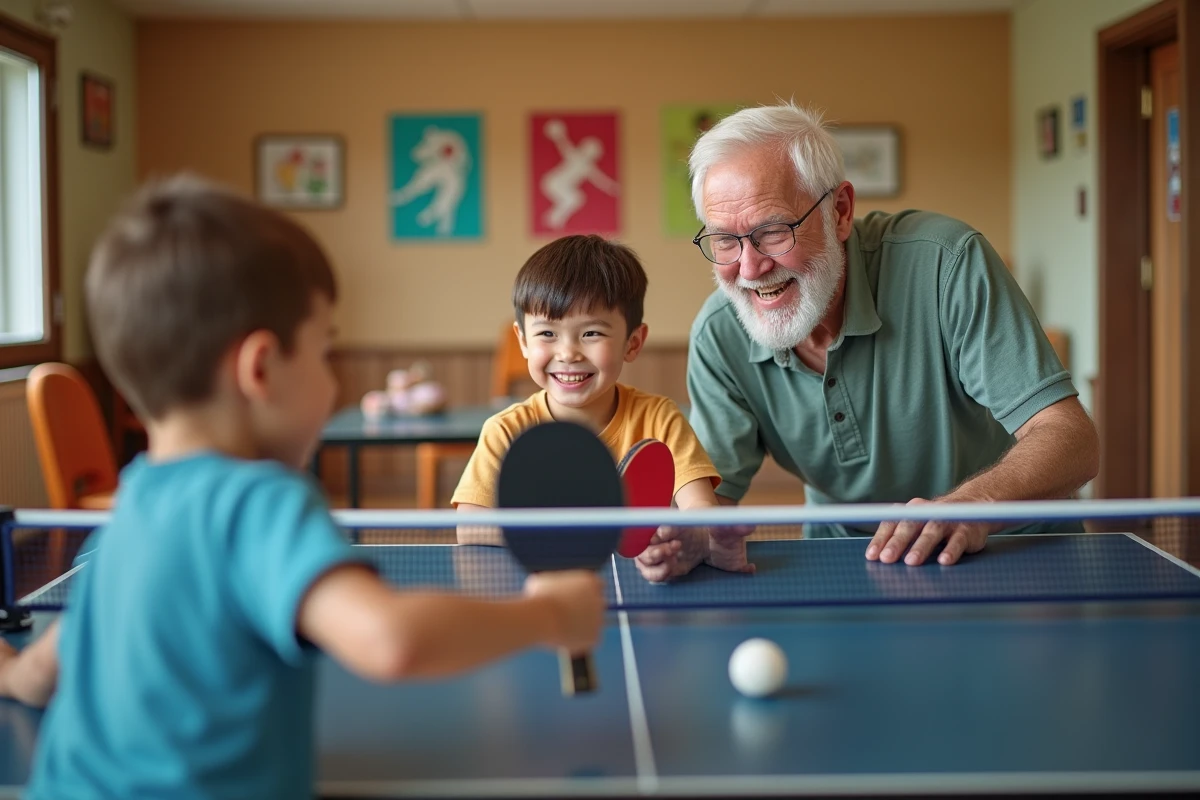
Sharing the joy of sports as a family: ideas and tips for all levels
Family sports create a unique space, filled with sharing, collective engagement, and discoveries, away from screens. Parents and children become play partners, driving the family dynamic around physical activity. The rhythm, diversity, and evolution of activities adapt to each household, with the common goal of spending time together and strengthening bonds.
To vary the pleasures and adapt to everyone, several activities should be prioritized:
- Family biking encourages teamwork and promotes autonomy while engaging the body at its own pace.
- Ball games in the garden or in a public area create moments of complicity and laughter, where everyone can participate according to their desires.
- Walking or jogging at a gentle pace allows everyone to adjust their effort, support each other, and move forward together without pressure.
Each shared activity weaves common memories, nurtures complicity, and fosters the desire to continue. Variety becomes a strength: try different sports, switch roles, invent your own games. Across France, trails, clubs, parks, and bike paths offer a vast and accessible playground for all.
At the end of the journey, there is more than just physical activity: it is a collective dynamic, a renewed desire, and sometimes the spark that makes you want to start again, together, again and again.