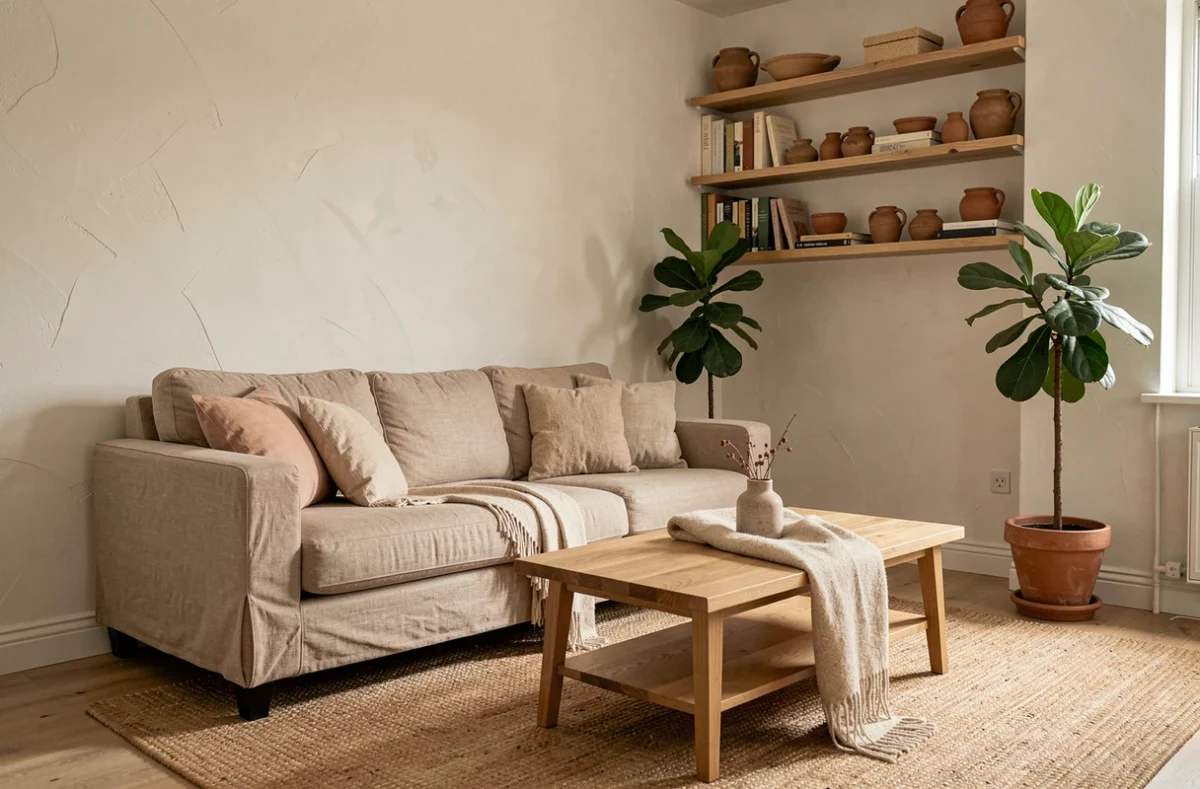
In France, construction and interior decorating products carry an emissions label graded from A+ to C. Furniture, however, is not covered by this scheme, making it impossible to compare its volatile compound emissions using the same scale.
Since January 1, 2025, homes rated G on the DPE energy performance certificate have no longer met the energy-efficiency standards required for new leases in mainland France. Deadlines are also planned for F- and then E-rated homes. Decorating a home is therefore no longer just about choosing a wall color or sofa style. A home’s energy performance, air quality and budget now shape every design decision.
Formaldehyde and adhesives: what your new furniture really releases
National indoor air quality surveys show an overall decline in several indoor pollutants. Formaldehyde is an exception: concentrations still exceed reference levels in some homes. This compound comes from particleboard, adhesives used in flat-pack furniture and certain paints.
The regulatory label (A+ to C) applies to paints, floor coverings and installation adhesives. It does not cover furniture itself. A sofa, coffee table or particleboard shelf can release formaldehyde for months without anything on the packaging clearly indicating this.
A few practical guidelines can help you narrow down your options before buying and limit exposure:
- Untreated or oiled solid wood furniture releases fewer volatile compounds than melamine-coated particleboard, provided you check the factory-applied finish.
- A+ rated paints remain the safest choice for walls, but their label does not guarantee anything about pigments added by hand when the paint is mixed in store.
- Ventilating a newly furnished room for several weeks significantly reduces formaldehyde levels, especially in homes with poor ventilation.
On Ker Expo’s home section, product pages let you cross-check these criteria before confirming a furniture or flooring purchase.
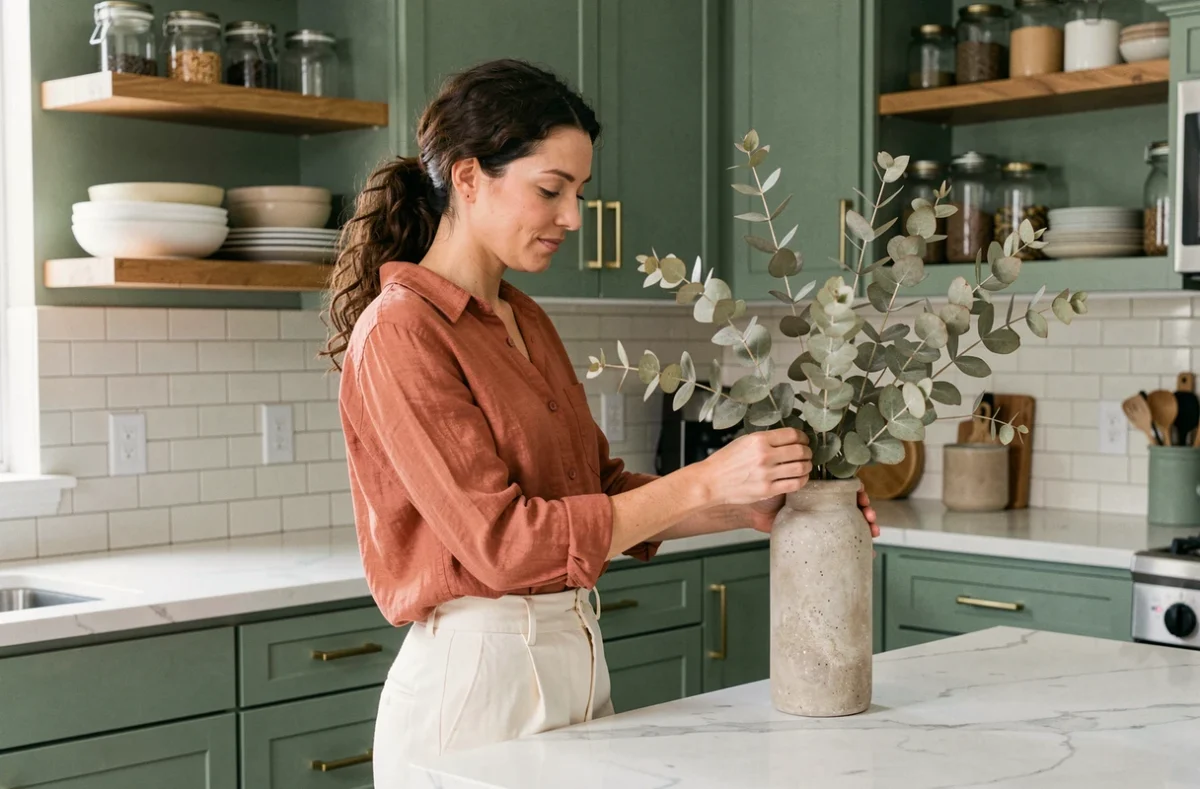
Decorating an F- or G-rated rental home: energy requirements and compatible design choices
Since January 1, 2025, landlords renting out a G-rated home have had to comply with the ban on signing a new lease without bringing the property up to energy-efficiency standards. F- and E-rated homes will follow according to the schedule set by the Ministry for Ecological Transition. Decorating a rental home is now linked to its energy performance.
In practice, some common decorating choices can worsen the thermal performance of an older home. Installing wood paneling on a damp wall without addressing insulation from the inside hides the problem rather than solving it. Replacing wooden shutters with lightweight curtains removes a layer of passive insulation.
By contrast, some design choices can complement an energy renovation. Lime plaster on old stone walls helps regulate humidity while creating an attractive matte finish. Thick thermal curtains with a fleece lining reduce heat loss through single-glazed windows, which are still found in many older homes.
What tenants can do without major renovations
Tenants cannot control wall insulation or the heating system. But they can improve thermal comfort through three design choices: heavy window coverings, thick rugs and sealing drafts with door draft stoppers or removable weatherstripping.
These adjustments will not turn a G-rated home into a C-rated one. They do improve day-to-day thermal comfort, making a space more pleasant without requiring a renovation budget.
Furniture reuse: a practical alternative that remains uncommon
Buying secondhand furniture or restoring an existing piece limits emissions of volatile compounds associated with new products and reduces waste. Data available for 2024 show that reuse and repurposing remain modest compared with the volume of furniture placed on the market each year.
Reuse is about more than finding a dresser at a flea market. It also includes restoring furniture (sanding, painting, replacing handles) and giving it a new purpose. An old farmhouse door laid across two sawhorses becomes a desk. A 1960s kitchen sideboard, stripped and waxed, can be used for storage in an entryway.
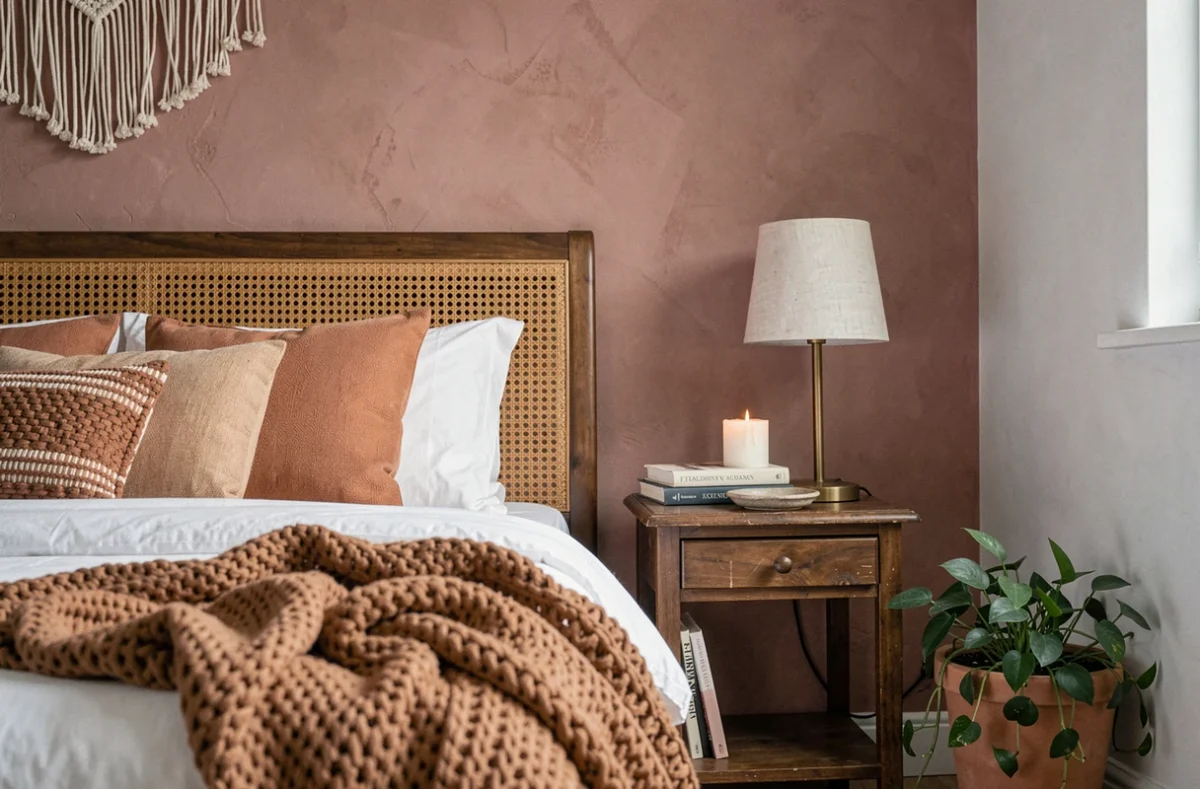
Indoor air quality and vintage furniture: an often-overlooked benefit
Furniture made twenty or thirty years ago has already released most of its volatile compounds. Vintage furniture releases far less formaldehyde than new particleboard furniture. This is a health benefit as well as an aesthetic one, particularly relevant in a child’s bedroom or a poorly ventilated room.
The main limitation of reuse is what is available locally. Reuse centers and online resale platforms offer more choice, but finding a matching set (a table and chairs, for example) takes time and flexibility on exact dimensions.
Personalize your home without buying more: color, textiles and lighting
Accumulating decorative objects is the most common—and least effective—way to personalize a space. Three simple choices can transform a room without adding furniture or compromising air quality.
- Wall color is the most visible change for the lowest cost. A single bold shade on one wall is enough to visually reshape a living room or bedroom, as long as you choose A+ rated paint.
- Textiles (cushions, throws and curtains) can change the feel of a room in just a few hours. Linen, cotton and wool add texture without the emissions associated with treated synthetic fabrics.
- Lighting, often overlooked, has a greater impact on how we perceive a space than the furniture itself. Using multiple light sources (a table lamp, wall light or low-energy LED string lights) creates distinct zones within the same room.
This approach works just as well in a rental as it does in a home you own. It helps avoid the buy-get-bored-replace cycle, which drives up both costs and indoor pollutant levels.
Creating a home that reflects its occupants depends less on accumulating things than on making thoughtful choices. Air quality, thermal performance and furniture durability matter just as much as style when it comes to a successful interior. A freshly painted wall, a secondhand piece of furniture and textiles suited to the season are often all it takes to transform a space without overspending or compromising the home’s healthy indoor environment.