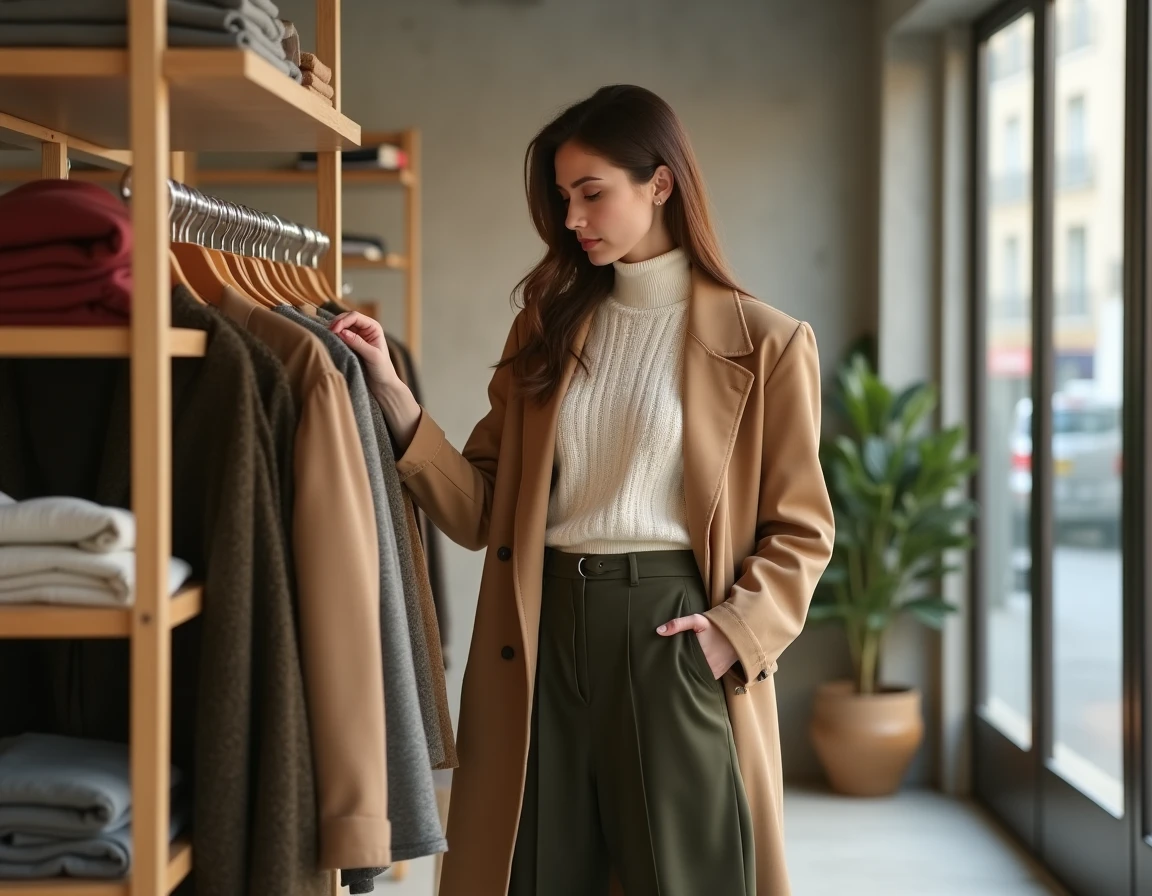
The online fashion sections publish dozens of commented looks, selections of pieces, and runway breakdowns every week. This abundance of women’s fashion advice raises a rarely discussed question: how do these contents actually influence clothing choices, and how much can one rely on them to build a sustainable personal style?
Fatigue with filters and the demand for realistic looks in women’s fashion
The IFOP barometers published in 2024 on the authenticity of content and trust in influencers reveal a clear phenomenon: a fatigue with filters and artificial staging. Readers expect photos in natural light, featuring diverse body types, rather than retouched images that distort the actual appearance of clothing.
This gap between aspirational visuals and everyday reality explains why some style sections are losing credibility. Stylists interviewed in women’s magazines regularly comment on this point, but general trend guides tend to avoid it.
To spot content that focuses on this grounded approach, the fashion section of Fourchette et Mascara offers commented looks without excessive filtering, making it easier to envision them in one’s own wardrobe.
Women’s fashion trends and greenwashing: what regulation changes
The regulation of greenwashing in France has tightened since 2023 with the Climate and Resilience Law, the AGEC Law, and the transposition of the European directive on environmental claims. Controls conducted by the DGCCRF and investigations by UFC-Que Choisir have highlighted misleading practices in the style sections of several brands.
Consumer distrust towards ethical fashion promises has significantly increased. When a trendy item boasts of being “eco-responsible” without specifying the material, the place of manufacture, or certification, readers now have objective reasons to doubt.
Reading fashion advice with a critical filter
The available data does not allow us to conclude that all fashion sections practice greenwashing. However, the proliferation of vague claims (“conscious collection,” “sustainable commitment”) without verifiable proof encourages a cautious reading of this content.
A useful fashion tip should mention the material, origin, and, if possible, the label. An article recommending a piece without this information is more akin to sponsored content than genuine advice.
Translating a trend with your existing wardrobe
ADEME, in its “Towards a more responsible fashion” publications updated in 2023-2024, highlights a behavioral change: consumers are seeking advice that explains how to adapt a trend with what they already own, whether vintage or from resale platforms, rather than systematically buying new items.
This approach changes how one consults a fashion section. Instead of looking for the exact piece photographed on a model, the idea is to identify the underlying stylistic principle.
- Observe the overall silhouette of the proposed look (proportions, volumes) rather than the precise reference of the garment, then look for an equivalent in your closet
- Identify the seasonal color palette and check if any forgotten pieces in your wardrobe match before making any purchases
- Favor sections that show multiple variations of the same trend with different budgets and body types
The true criterion of good fashion advice is its transposability: can it be applied without buying a single new piece? If the answer is yes, the content has lasting value.
Colors, cuts, and key pieces: deciphering spring-summer trends
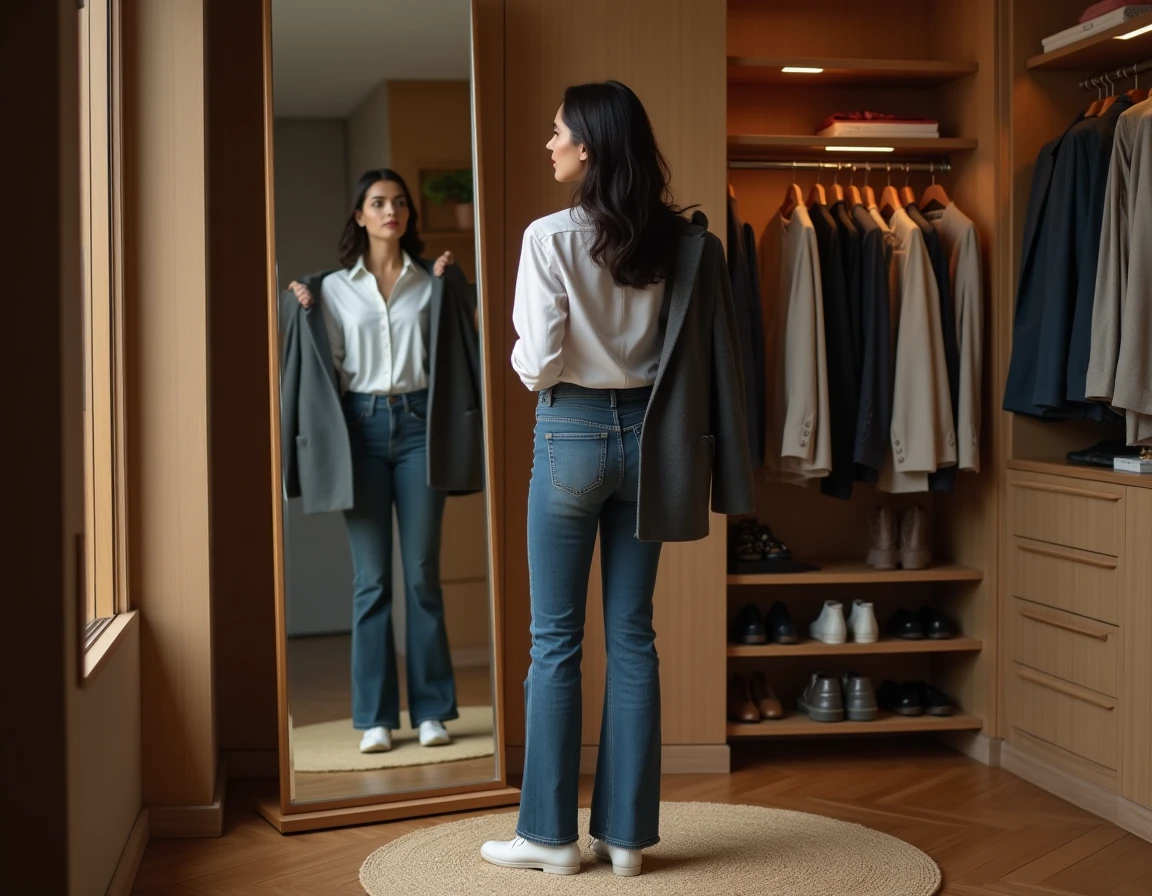
Spring-summer fashion shows guide fashion sections each year toward recurring pieces: wide pants, flowing dresses, lightweight leather, saturated colors. Field feedback varies on this point, as what works in editorial looks does not always translate into wearable outfits for everyday life.
The question of pants and dresses this season
Wide pants (barrel, palazzo) consistently appear in selections. This cut is particularly suited for silhouettes that can carry a lower volume, which few articles specify. The midi dress remains a safe bet, but the choice of material (linen, viscose, thick cotton) radically changes the look depending on body type and climate.
So-called “trendy” colors (butter yellow, terracotta, sage green) saturate fashion pages in spring. In practice, most women wear these shades as accessories or as a single piece paired with neutral basics. Betting on a single strong color per outfit remains the most reliable choice to integrate a trend without risking a fashion faux pas.
Leather out of the cold season
Lightweight leather (short jackets, thin skirts) is increasingly appearing in spring-summer looks. The leather piece functions as a structural element in a fluid outfit, provided it remains in fitted cuts that do not trap heat.
- A soft leather jacket worn open over a light dress creates a contrast of textures without weighing down the silhouette
- Vegetable or recycled leather is improving in quality, but feedback on durability varies by brand, a point to check before purchase
- Cognac and chocolate shades are gradually replacing classic black in the offerings of style sections
The most useful women’s fashion trend is not the one that dictates what to buy, but the one that helps you look at your wardrobe differently. The most reliable sections share a common point: they explain the “why” of a look (proportions, material play, color harmony) rather than just the simple “what to wear.” It is this framework that transforms a momentary inspiration into lasting fashion competence.