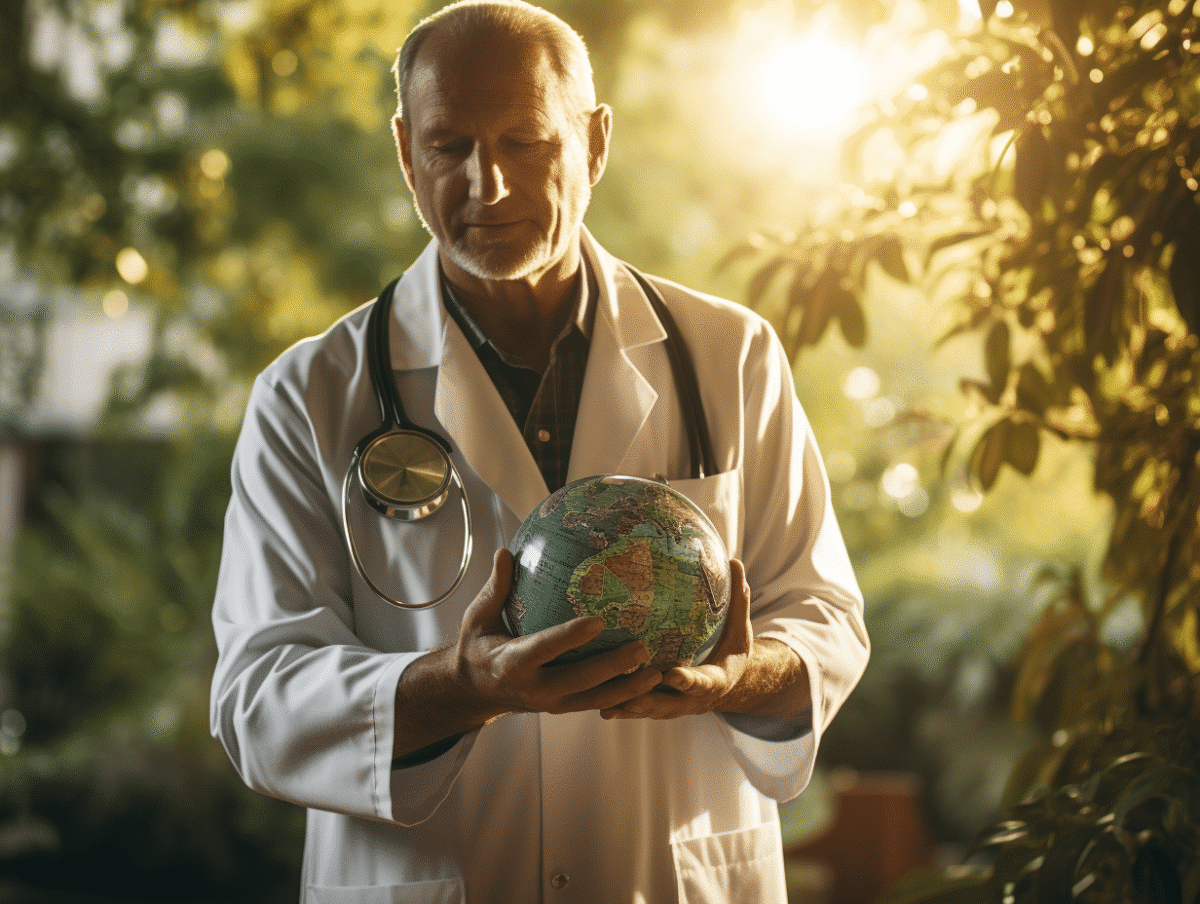
As the planet warms due to greenhouse gases, the consequences for human health are becoming increasingly tangible. Extreme heatwaves, which raise the risks of dehydration and heat strokes, are just one aspect of the problem. Air quality is deteriorating, exacerbating respiratory diseases. Changing weather conditions also promote the proliferation of disease vectors such as mosquitoes carrying malaria or dengue. Food insecurity and malnutrition are worsening due to disruptions in agricultural ecosystems.
The direct consequences of climate change on human health
The effects of climate change are not limited to a rise in global temperatures. They heavily impact public health, shaping new health challenges. Heatwaves, like those that struck France during the summer of 2022, culminate in dramatic human tolls with over 11,000 deaths. These episodes of intense heat weaken vulnerable populations, exacerbating cardiovascular and respiratory disorders.
Infectious diseases, in particular, are on the rise. High temperatures expand the geographical areas conducive to disease vectors such as malaria. Changes in ecosystems lead to increased exposure to pathogens, a phenomenon echoed by the Portail Santé, warning of these rising health risks.
The quality of air, on the other hand, is deteriorating under the influence of greenhouse gas emissions, which aggravate chronic respiratory diseases, heart conditions, and even certain cancers. This decline in air quality is a striking example of how climate change directly affects the health of individuals around the world.
Mental health is also suffering the repercussions of climate change. Extreme weather events, such as hurricanes, floods, or prolonged droughts, cause stress and anxiety among affected populations. These psychological disorders, often less visible, should not be overlooked in the overall assessment of the health consequences of climate change.

Acting for health: adaptation and mitigation in the face of climate change
In the face of health risks exacerbated by climate change, adaptation and mitigation emerge as essential levers for action. Adaptation involves implementing strategies to strengthen the resilience of health systems against current and future impacts. This includes investments in infrastructure, enhancing disease surveillance capacities, and establishing early warning systems for heatwaves and epidemics.
At the same time, mitigation involves reducing greenhouse gas emissions, thereby limiting the extent of climate change and its deleterious effects on health. The IPCC emphasizes the urgency of containing warming to +1.5°C to limit damage. Actions include transforming energy, industrial, agricultural, and transport sectors while promoting a circular economy and sustainable consumption.
Health is a lever for action to mobilize ambitious climate policies. Awareness of the close links between human health and climate can catalyze cross-cutting engagement from stakeholders. Indeed, preserving public health can and should be a driving force for climate action, prompting a rapid and significant reduction in greenhouse gas emissions while preparing societies to face emerging health challenges related to climate change.