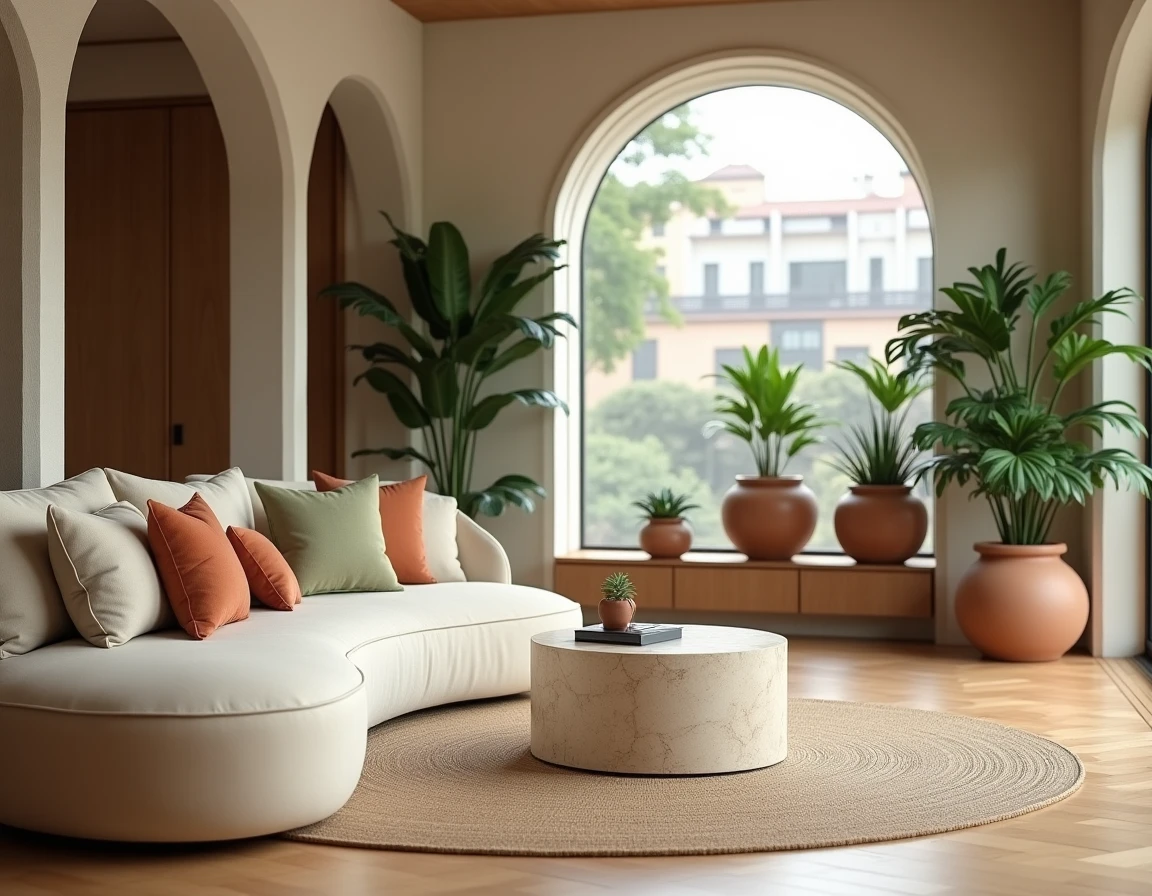
Interior architecture is going through a period of reorganization. Recent residential projects show a shift: aesthetic research is no longer sufficient, specifications now integrate criteria for environmental performance, acoustic comfort, and space modularity. This movement goes beyond mere decorative trends and impacts the very design of living spaces.
Traceability of materials: what the demand for environmental proof changes
Competitors talk extensively about natural materials, raw wood, stone, cork. However, the subject has evolved beyond visual choice. What weighs in interior architecture projects today is the verifiable traceability of the materials used.
Clients and demanding stakeholders request certified woods, low volatile organic compound emission coatings, and documented bio-sourced materials. This rising demand is driven by European frameworks for environmental communication and a growing focus on indoor health.
Specifically, an interior designer proposing solid oak flooring must be able to provide its origin, forestry certification, and emission level. Professionals listed on archi-line.fr incorporate this type of approach into their projects, as client demand has shifted from “I want wood” to “I want wood whose origin I know.”
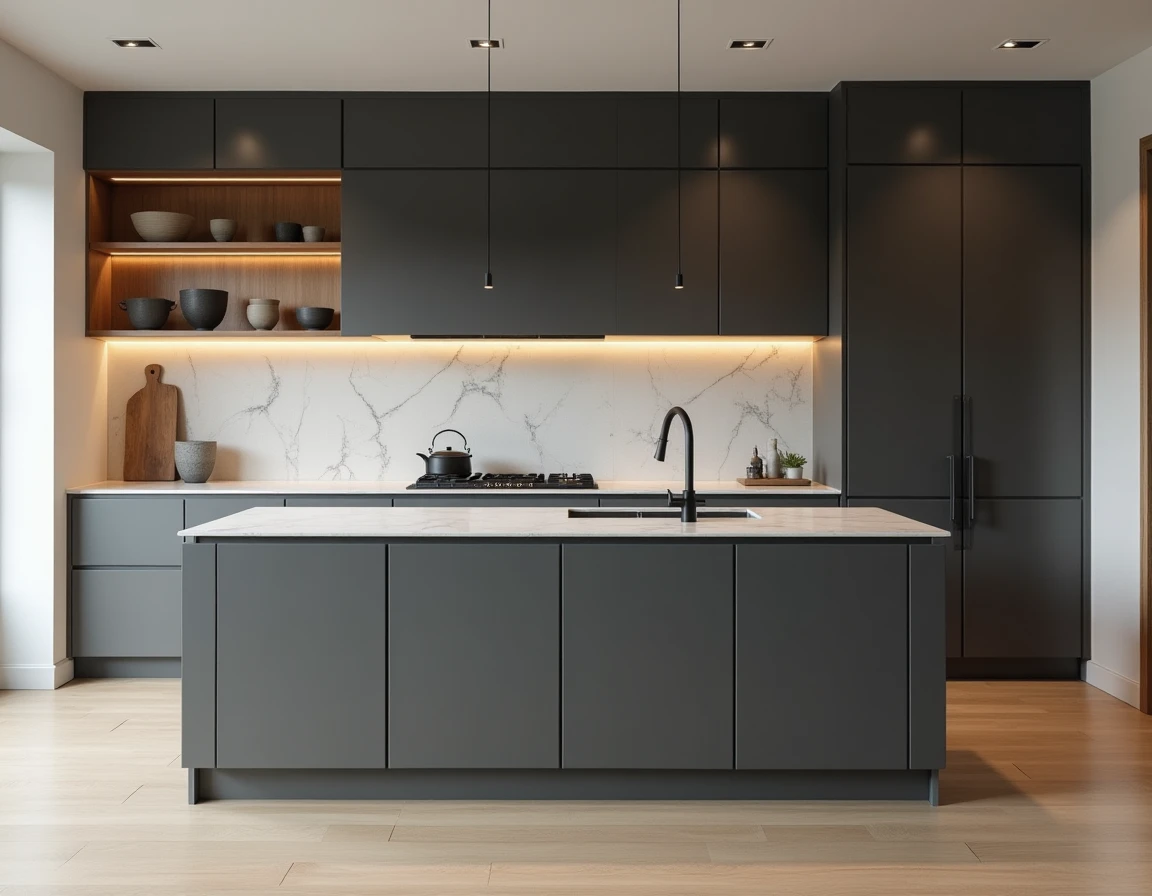
Acoustic comfort and circadian lighting in interior architecture
The well-being dimension in space design is no longer limited to soothing colors or soft textiles. It becomes functional and measurable. Two parameters are gaining ground in interior design projects: acoustic comfort and lighting aligned with biological rhythms.
Acoustics: a neglected angle in classic decoration
A living room open to the kitchen, with polished concrete floors and large bay windows, produces a high level of reverberation. Field feedback shows that fatigue related to indoor noise is underestimated in most residential projects.
Solutions exist: sound-absorbing wall panels integrated into the design, technical curtains, strategically placed textile coverings. The challenge is to address acoustics without turning the living room into a recording studio, which requires a trade-off between aesthetics and performance.
Circadian lighting: adapting light to the rhythm of the day
Circadian lighting adjusts color temperature throughout the day: cool light in the morning to promote wakefulness, warm light in the evening to prepare for rest. Recent home automation systems allow for this automated management, but their integration into an interior design project remains a point of friction.
- Electrical planning must be considered from the design phase, not at the end of construction, which requires early collaboration between the interior designer and the electrician.
- The cost of variable spectrum fixtures remains significantly higher than that of traditional solutions, which hinders adoption within average budgets.
- Available data does not yet allow for precise quantification of the impact on sleep quality in a residential context, even if user feedback is positive.
Modular spaces: designing a house that changes use
Partial remote work has become a lasting trend. Interiors designed around a single use per room (bedroom, office, living room) show their limitations. The underlying trend in interior architecture focuses on spatial flexibility rather than a fixed decorative style.
Sliding partitions, modular furniture, integrated storage that frees up the floor: these solutions allow the same space to serve as an office during the day and a living area in the evening. The main interest is to avoid heavy renovations with each change in lifestyle.
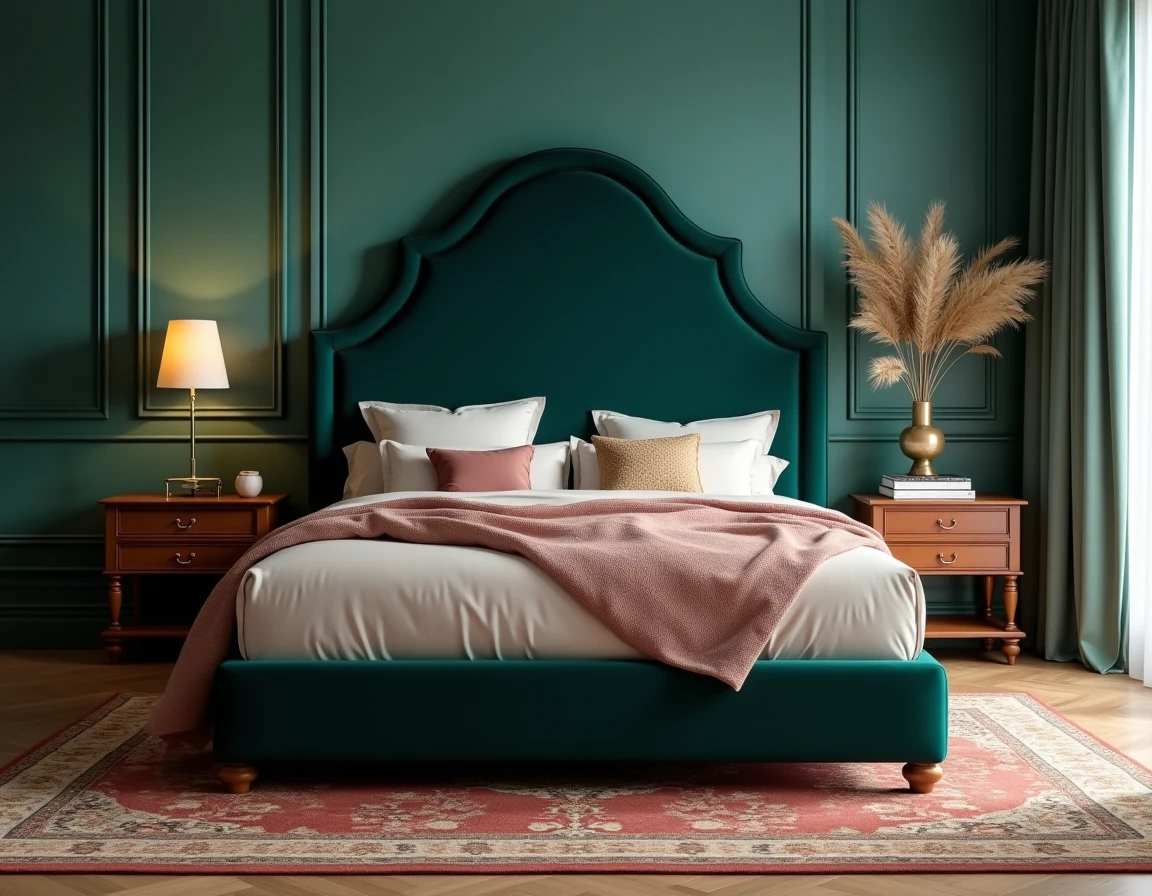
This approach alters the relationship between the client and the interior designer. The brief no longer focuses on “designing a 9 m² office” but on “creating a space that accommodates three different uses throughout the week.” The design then requires consideration of circulation flows, storage, and sound insulation between areas.
Kitchen and living room: revisiting the question of separation
The residential open space, long presented as the norm, is being questioned. The noise and odors from an open kitchen to the living room prompt some projects to reintroduce partial separations: workshop-style glass partitions, wooden screens, tall furniture acting as a divider.
The trend is not towards a return to closed kitchens but towards intelligent separation, which filters noise and odors while maintaining visual communication between spaces.
3D design tools and AI: impact on the design process
3D modeling and artificial intelligence tools are transforming how an interior architecture project is presented and validated. A client can visualize their future layout in augmented reality before construction begins, which reduces perception errors and modifications during the project.
Field feedback varies on this point. Some interior designers believe that 3D accelerates decision-making and reduces disputes. Others report a perverse effect: the client, accustomed to photorealistic renderings, struggles with the gap between the rendering and the reality of the site (different natural light, slightly shifted material tones).
- 3D modeling has become a standard in interior design agencies, including for individual house projects.
- AI image generators allow for rapid exploration of multiple atmospheres (colors, furniture, coverings) without modeling each variant.
- The risk is confusing an AI rendering with a feasible project: technical constraints (structure, networks, standards) are not always integrated into these visualizations.
Interior architecture is moving towards a territory where decoration, technical performance, and usage flexibility converge. Choices of materials, lighting, and spatial design respond to criteria that go beyond mere aesthetics. For a house or apartment project, this convergence requires asking the right questions from the design phase, not at the moment of choosing wall colors.